
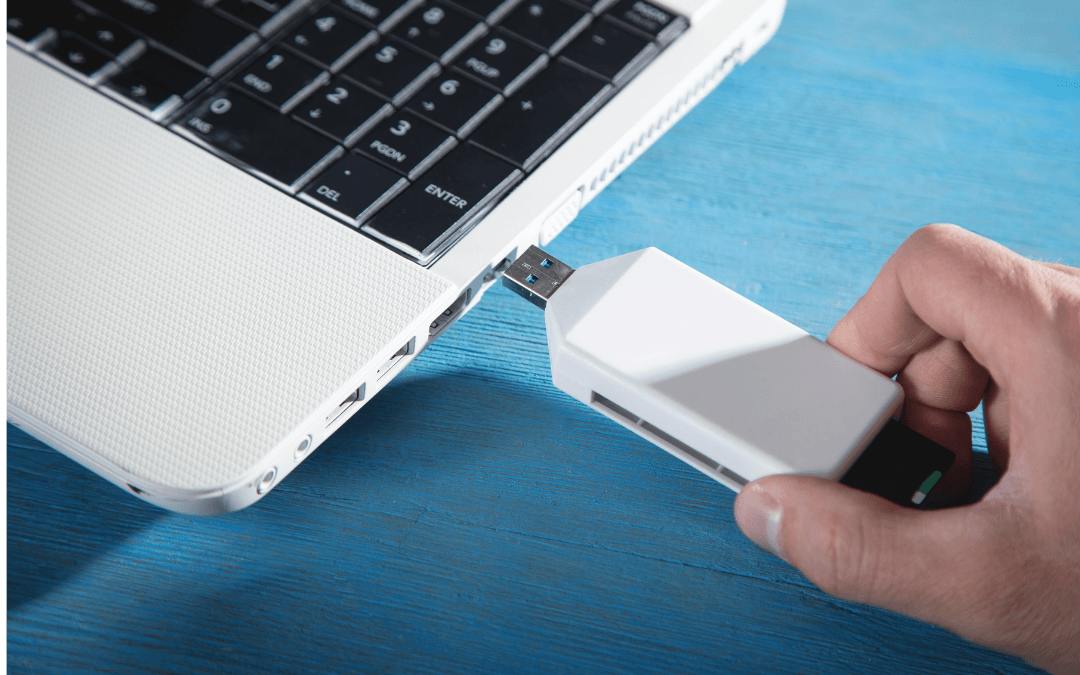
The Silent Ransom Group is behind a dangerous new threat where, after phishing emails and phone calls fail, they send a physical operative straight to your office. They walk past the front desk and plug a flash drive directly into an employee’s computer to steal data.
It sounds like the plot of a Hollywood corporate espionage thriller, but according to a critical new warning issued by the FBI, it is happening in the real world right now.
The Federal Bureau of Investigation has released an urgent alert regarding a cyber-extortion syndicate known as the Silent Ransom Group (SRG) (also tracked by researchers as Luna Moth, Chatty Spider, or UNC3753). The group, which originally emerged from the collapse of the notorious Conti ransomware cartel, has taken social engineering to a dangerous, hyper-realistic new level.
The Anatomy of the Attack: From Phishing to the Front Desk
Historically, the Silent Ransom Group relied on “callback phishing”—sending fake invoices for small subscription renewals (like Duolingo or Masterclass) and tricking employees into calling a helpline to cancel the charge. Once on the phone, they would guide the victim into downloading remote desktop software to steal data.
However, the FBI warns that the Silent Ransom Group’s latest tactics have evolved into an aggressive multi-staged campaign, focusing heavily on professional sectors like law firms, insurance, and healthcare providers.
The modern playbook unfolds in three escalating steps:
- The IT Impersonation Call: Attackers place direct phone calls or send urgent emails to employees, posing as internal corporate IT support trying to fix a fictitious security issue.
- The Remote Session Trap: The threat actor pressures the employee into launching a remote desktop session using legitimate commercial tools (like Zoho Assist, AnyDesk, Splashtop, or RustDesk) to grant them control.
- The In-Person Visit: If the employee catches on and refuses to grant remote access, the Silent Ransom Group sends a physical operative to the victim’s office. Posing as an on-site IT technician or contractor, the individual claims they need to “image the device” or “create a manual backup file” to resolve the security threat. They then insert an external hard drive or USB device directly into the computer to steal data right in front of the employee.
The “Silent” Threat of the Silent Ransom Group: No Ransomware Required
Perhaps the most alarming detail of the FBI’s alert is that the Silent Ransom Group does not use traditional ransomware. They do not deploy malware, and they do not encrypt your files. Your systems keep running normally, which is exactly why they are so hard to catch.
Instead, they focus strictly on data exfiltration and extortion. Once they gain access—whether virtually or physically—they quietly locate sensitive client files, corporate data, and financial records. They copy these files using legitimate system administration tools like WinSCP (Windows Secure Copy) or cloud storage platforms like Google Drive and Microsoft OneDrive. Because these tools are used daily by legitimate IT departments, standard antivirus programs completely ignore them.
Once the data is secured, the “silent” phase ends. The group launches an aggressive extortion campaign, threatening to leak the stolen data on the dark web, while calling your employees and even your clients directly to force you into ransom negotiations.
Bridging the Gap: Where Cyber Security Meets Physical Security
For years, organizations have treated physical security (badges, locks, front desks) and cybersecurity (firewalls, passwords, EDR) as two completely separate departments. The Silent Ransom Group’s tactics prove that cybercriminals view your business as a single entity with multiple doors.
To defend your organization against this blended threat landscape, a standard firewall is no longer enough. Your defense strategy must evolve:
- Implement Strict IT Verification Protocols: Establish a mandatory out-of-band verification process. Employees should never grant remote access—or physical access to their machines—to anyone claiming to be “IT” without verifying their identity through a trusted internal company directory or a manager.
- Lock Down Endpoint USB Ports: If your employees don’t absolutely need to use external USB storage for their day-to-day jobs, disable external drive installations via group policy. This entirely neutralizes the threat of an in-person operative plugging in a rogue drive.
- Audit and Restrict Remote Management Tools: Audit your network for unauthorized instances of remote access tools like AnyDesk, RustDesk, or Zoho Assist. If your official IT department uses a specific tool, block all others at the network firewall level.
- Train Staff on “Vishing” and Physical Tailgating: Security awareness training must expand beyond standard email phishing. Employees must be trained to recognize high-pressure phone scams (vishing) and to challenge unknown individuals attempting to follow them into secure office spaces or sit at corporate workstations.
Secure Your Perimeter, Both Virtual and Physical
The FBI’s warning is a stark reminder that as digital defenses grow stronger, threat actors will simply walk around them—sometimes quite literally.
At Black Belt Secure, we specialize in helping businesses build a comprehensive, zero-trust security culture that protects your data from every angle, whether the threat is coming from across the globe or walking through your front lobby. Talk to our team today — before the next one makes the news.