
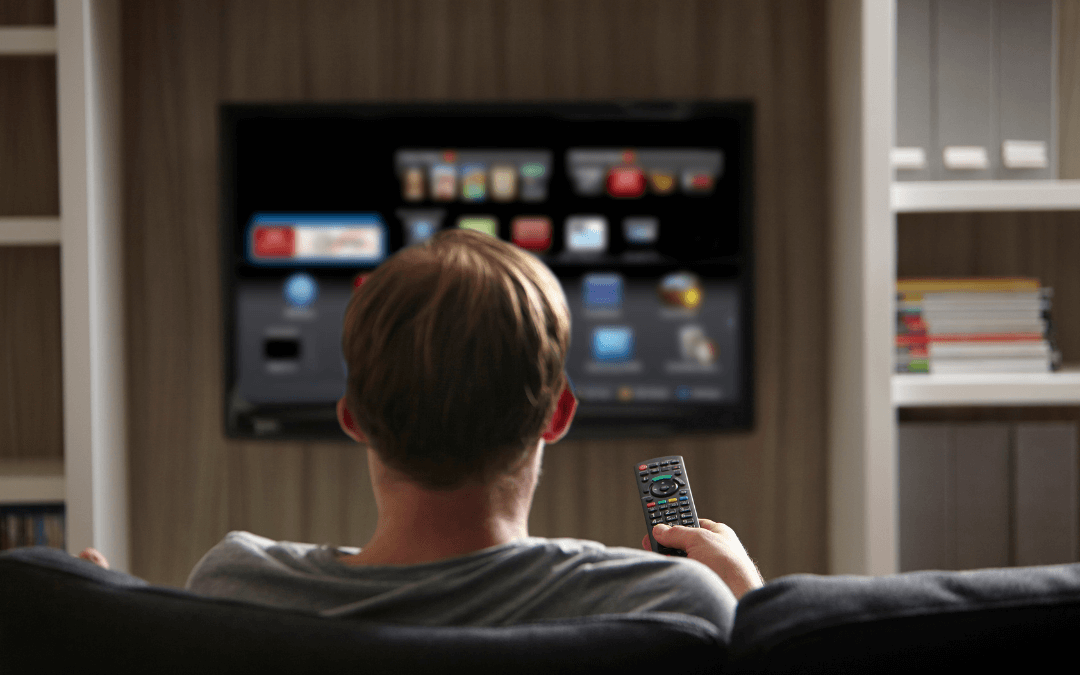
Your smart TV privacy might be more compromised than you think. In a major move to protect consumers, Texas Attorney General Ken Paxton has filed lawsuits against five major TV manufacturers: Sony, Samsung, LG, Hisense, and TCL. The allegation? These companies are secretly using Automated Content Recognition (ACR) technology to spy on what you’re watching, capturing screenshots every 500 milliseconds, and selling that data without proper consent.
According to the lawsuits, ACR acts like an “uninvited, invisible digital invader” in your living room. It monitors everything—from streaming services and cable to DVDs—attaches demographic details (like age, income, and location), and auctions the data to advertisers for targeted ads. Paxton has raised particular alarms about Hisense and TCL, both China-based, noting potential risks under China’s National Security Law that could grant foreign government access to American viewers’ habits.
This isn’t the first rodeo for smart TV privacy issues. Back in 2017, Vizio settled for $2.2 million over similar ACR practices without consent. Yet here we are again, with the problem persisting across the industry.
Why Smart TV Privacy Violations Matter (and Pose Security Risks)
Even if targeted ads seem harmless, the implications go deeper:
- Intrusive surveillance: Constant screenshots mean detailed profiles of your viewing habits, which can reveal personal interests, political views, or family dynamics.
- Data sales ecosystem: Your info gets bundled and sold, potentially ending up with data brokers or worse.
- IoT vulnerabilities: Smart TVs connected to your home network can become entry points for broader breaches if not secured properly—exacerbating smart TV privacy risks.
In an era where devices are always listening or watching, this lawsuit highlights how “free” features often come at the cost of your privacy.
What You Can Do Right Now to Protect Your Smart TV Privacy
Don’t wait for regulations or settlements—take control today to safeguard your smart TV privacy:
- Disable ACR and tracking features: Most smart TVs have settings to turn off ACR (often called “Smart Interactivity,” “Viewing Data,” or “Live Plus”). Dig into your TV’s privacy or system settings and opt out.
- Limit internet connectivity: If you don’t need smart features, disconnect your TV from Wi-Fi. Use external devices like Roku, Apple TV, or Chromecast for streaming—they often give better privacy controls.
- Review connected apps: Be sure to log in securely and thoroughly check all privacy settings for any apps installed on your smart TV.
- Use a VPN on your router: Mask your home network traffic to add a layer of anonymity.
- Monitor your network: Watch for unusual data outbound from your TV using tools like a firewall or network monitor.
- Consider privacy-focused alternatives: When buying a new TV, research models with strong privacy reputations or opt for “dumb” displays paired with secure streaming devices.
For businesses, this principle extends far beyond personal use to include conference room displays, lobby digital signage, or even employee-connected gadgets. Always ensure that all IoT devices fully comply with current privacy laws and regulations to avoid costly legal headaches and potential fines.
At Black Belt Secure, we specialize in helping organizations and individuals secure their ever-growing array of connected devices with comprehensive expert assessments, advanced endpoint protection solutions, and reliable 24/7 monitoring through our innovative Jutsu Program. Emerging threats like invasive IoT tracking, unauthorized data collection, and alarming smart TV privacy breaches simply don’t stand a chance against our proactive, multi-layered defense strategies.
Stay vigilant and informed—your living room should remain a true sanctuary of relaxation and privacy, not an unwitting data mine for corporations or hackers. Ready to thoroughly audit and fortify your entire smart home setup? Contact us today to get started.