
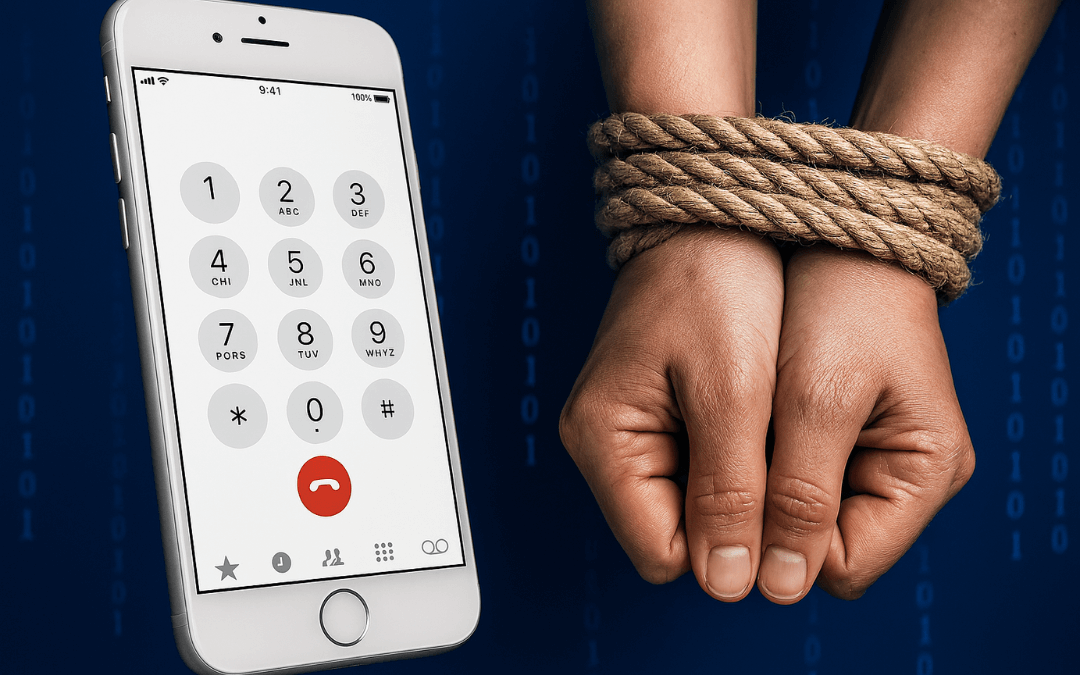
In an era where our digital lives are an open book, cybercriminals are flipping the pages to write terrifying new chapters on virtual kidnapping scams. Imagine receiving a frantic text: “We’ve kidnapped your child. Pay up now, or else.” Attached is a photo that looks eerily real—your loved one bound and gagged. Panic sets in, and before you can think, you’re wiring money to an anonymous account. But here’s the twist: No one was ever taken. This is the chilling reality of virtual kidnapping scams, a growing threat that’s exploiting social media like never before.
The FBI recently sounded the alarm on this insidious scheme, warning that scammers are using AI-altered photos from your public profiles to fabricate “proof of life” and extort ransoms. As cybersecurity experts at Black Belt Secure, we’re breaking it down for you—how these virtual kidnapping scams work, why they’re surging, and most importantly, how to armor up against them. Knowledge is your first line of defense; let’s dive in.
What Is a Virtual Kidnapping Scam?
Unlike traditional kidnappings, these are 100% fabricated. Criminals don’t need to leave their basement—they leverage your online footprint to create a nightmare scenario. The goal? Quick cash, often in untraceable forms like gift cards, wire transfers, or cryptocurrency.
According to the FBI’s public service announcement, “Criminal actors typically will contact their victims through text message claiming they have kidnapped their loved one and demand a ransom be paid for their release.” No abductions, no physical harm—just psychological terror amplified by deepfake-level manipulation in virtual kidnapping scams.
How Scammers Execute Virtual Kidnapping Scams
These fraudsters are tech-savvy opportunists, blending social engineering with basic image editing tools. Here’s the playbook:
- Reconnaissance via Social Media
They scour platforms like Facebook, Instagram, and LinkedIn for family photos, travel posts, or daily updates. Public profiles are goldmines—think that beach vacation pic from last summer. - Fabrication of Evidence
Using free apps or AI tools (like Photoshop or mobile editors), they alter images to show the “victim” in distress. Subtle changes might include adding restraints, bruises, or a dark background, but inconsistencies often lurk: mismatched lighting, awkward shadows, or clothing from an old post. - The Fear Blitz
Contact comes via SMS or spoofed calls (mimicking your family member’s number). They demand immediate payment—$1,000 to $10,000 is common—to “release” the hostage. Threats escalate: “Harm comes if you call the cops” or “We’ll send proof of violence next.” - Payment and Ghost
Once paid, they vanish. Victims are left traumatized, out of pocket, and second-guessing every notification.
Recent reports highlight a spike in these virtual kidnapping scams, with anecdotal evidence from forums like Reddit showing spoofed numbers and timed messages designed to prevent scrutiny. The FBI notes these scams prey on urgency, making rational thought nearly impossible in the moment.
The Real-World Toll: Why This Hits Hard
Financial loss is just the tip of the iceberg. Victims report sleepless nights, fractured family trust, and lasting anxiety. One parent shared online: “I almost sent $5,000 before spotting the photo glitch—my kid’s tattoo was missing.” Multiply that emotional whiplash by thousands of potential targets, and it’s clear: Scammers aren’t just stealing money; they’re weaponizing worry in virtual kidnapping scams.
FBI’s Wake-Up Call: Spot the Signs Early
The FBI’s warning, issued just days ago, couldn’t be timelier. They’re urging everyone to pause, verify, and protect. Key red flags include:
- Unsolicited claims of emergencies from unknown or spoofed numbers.
- Demands for instant, untraceable payments.
- “Proof” photos that don’t match recent, verified images (e.g., wrong timestamp or location).
Your Black Belt Defense: 7 Practical Tips to Shut Down Virtual Kidnappers
At Black Belt Secure, we believe cybersecurity starts with smart habits. Lock down your digital life with these actionable steps to combat virtual kidnapping scams:
- Fortify Your Privacy Settings
Review social media privacy—make profiles private, limit photo shares, and use tools like Black Belt Secure’s privacy audit to scan for exposures. - Family Code Words
Establish a secret phrase (e.g., “Blue elephant sunrise”) known only to close kin. Demand it in any crisis call—scammers won’t know it. - Verify Before You Panic
Hang up and call your loved one directly on a known number. Use apps like Signal for secure, verified check-ins. - Screenshot Everything
If a suspicious message arrives, capture it immediately. Reverse-image search the photo via Google or TinEye to trace origins. - Educate and Alert
Share this with family, especially elders and teens who overshare online. Set up multi-factor authentication (MFA) on accounts to block broader hacks related to virtual kidnapping scams. - Tech Tools for the Win
Deploy AI-powered scam detectors like those in our Black Belt Secure suite—they flag manipulated images in seconds. Also, enable caller ID apps to spot spoofs. - Report Ruthlessly
If targeted, contact the FBI at ic3.gov or local law enforcement. Your report could save others from virtual kidnapping scams.
The Bigger Picture: Evolving Threats in a Connected World
Virtual kidnapping scams are just one vector in a broader cybercrime wave, where AI lowers the barrier for bad actors. As social media evolves, so must our vigilance. The good news? Proactive steps like these can reduce your risk by over 90%, per industry benchmarks.
Stay sharp, stay secure. If you’re ready to level up your family’s defenses, book a free cybersecurity assessment with Black Belt Secure today.